Same-Day AC Repair Estimates Albany NY: Costs & Tips
The average cost of AC repair in Albany varies based on leak severity, system age, home size, and problem complexity, ranging from $200 to over $1000........
Read more →
In the heart of New York state, Albany, a city known for its rich history and vibrant culture, faces unique challenges when it comes to climate control, particularly during the sweltering summer months. This is where the average cost of AC repair plays a pivotal role in maintaining comfortable living and working environments. The article aims to shed light on this essential aspect of home and building maintenance, offering insights into what residents and businesses can expect to pay for air conditioning repairs in Albany, its influencing factors, and the broader implications for the industry. By exploring these aspects, we aim to empower Albany's inhabitants to make informed decisions regarding their cooling systems' upkeep.
Definition: The average cost of AC repair refers to the typical expenses associated with diagnosing and fixing air conditioning units when they malfunction or require maintenance. This includes labor costs for technicians and the price of replacement parts, if needed. In Albany, as in many cities, these costs can vary widely depending on various factors, making it a dynamic market.
Core Components:
Labor Costs: Wages and rates charged by HVAC (Heating, Ventilation, and Air Conditioning) technicians for their time and expertise. Rates can differ based on the complexity of the repair, company policies, and experience of the technician.
Parts and Supplies: Prices of replacement parts, including condensers, evaporators, thermostats, and other components, which vary based on brand, quality, and market availability.
Diagnostic Fees: Some companies charge a fee for technicians to identify the issue with your AC system, especially if the problem is not immediately apparent.
Historical Context: Over the years, the average cost of AC repair in Albany has evolved along with technological advancements in cooling systems. As climate change has led to more extreme weather conditions, the demand for efficient and reliable air conditioning has increased. This, in turn, has driven innovation in cooling technologies and influenced the costs of repairs and maintenance.
The influence of AC repair costs does not stop at Albany's borders; it is a global concern with far-reaching implications:
International Market Dynamics: The global HVAC market, worth billions of dollars, witnesses consistent growth due to rising indoor comfort standards and increasing urbanization. This growth has led to technological advancements and a global supply chain for parts, impacting repair costs across different regions.
Regional Disparities: AC repair costs can vary significantly between countries and even within regions. For instance, developed nations like the United States and Western Europe tend to have higher average repair expenses due to more sophisticated systems and stringent energy efficiency standards. In contrast, emerging markets might face lower labor costs but could struggle with limited access to high-quality parts.
Climate Change Impact: The increasing frequency and intensity of extreme weather events globally have led to more frequent AC system failures. This trend puts upward pressure on repair costs as technicians deal with complex issues related to heatwaves, power outages, and natural disasters.
Market Dynamics: The AC repair market in Albany operates within a competitive landscape, with numerous local businesses and national chains offering their services. This competition can drive prices down but also results in varying quality and service levels. The economic health of the region influences the demand for these services, as residents' disposable income affects their willingness to invest in home comfort systems.
Investment Patterns: Homeowners and business owners alike often view air conditioning systems as essential investments, not just discretionary expenses. The average cost of AC repair can be seen as a return on investment (ROI) when considering the potential savings from efficient cooling systems and reduced energy bills. However, unexpected repairs can still catch individuals off guard, especially if they lack comprehensive maintenance plans.
Economic Impact: The economic impact of AC repairs extends beyond individual expenses. For businesses, frequent or costly repairs can affect operational continuity, particularly in industries that rely heavily on climate-controlled environments. This can lead to increased operational costs and potential productivity losses.
Technological innovations have revolutionized the AC repair industry, improving efficiency and precision:
Smart Cooling Systems: The integration of smart technology in air conditioning units allows for remote monitoring and control, predictive maintenance, and energy-efficient operations. These systems can help reduce repair costs by minimizing system failures and optimizing performance.
Improved Diagnostics: Advanced diagnostic tools, including computer-aided detection software and enhanced thermography, enable technicians to identify issues more quickly and accurately. This results in reduced downtime and lower repair expenses for customers.
Energy-Efficient Parts: The development of energy-efficient parts, such as variable-speed compressors and advanced insulation materials, can lead to significant long-term savings on energy bills. While the initial investment for these upgrades may be higher, they contribute to overall cost savings over the lifespan of the system.
Energy Efficiency Standards: The U.S. government, through agencies like the Environmental Protection Agency (EPA), sets standards for energy efficiency in air conditioning systems. These regulations aim to reduce energy consumption and environmental impact but can also influence repair costs. More efficient systems may require specialized parts and techniques for repair, increasing labor costs.
Building Codes: Local building codes and zoning regulations often dictate minimum energy efficiency standards for new construction and renovations. These codes ensure that buildings meet specific criteria for insulation, ventilation, and cooling systems, impacting the types of AC units installed and their repair needs.
Warranty Policies: Manufacturers typically offer warranties on their products, covering repairs or replacements within specified terms. These policies can provide some financial protection to consumers but may also influence repair practices as technicians follow manufacturer guidelines for warranty-related work.
Despite the advancements, the AC repair industry faces several challenges:
Skill Shortage: The demand for skilled HVAC technicians often exceeds supply, leading to higher labor costs and potential delays in service. Training programs and incentives to attract more technicians are necessary to address this issue.
Counterfeit Parts: The availability of low-quality, counterfeit parts can compromise system efficiency and safety. This problem is particularly challenging for homeowners who may be unaware of the distinction between genuine and imitation parts.
Environmental Concerns: The repair and disposal of AC components must adhere to strict environmental regulations, especially regarding refrigerants. Proper handling and recycling practices are essential to mitigate the industry's impact on the environment.
Proposed Solutions: To overcome these challenges:
Case 1: Commercial Building in Downtown Albany A large office building in downtown Albany faced rising energy costs due to outdated air conditioning systems. After consulting with energy efficiency experts, they decided to upgrade their cooling infrastructure. The project involved replacing the entire HVAC system with modern, high-efficiency units and implementing a smart building management system. The initial investment was substantial, but the new system reduced energy bills by 40% annually. Regular maintenance contracts ensured that repairs were addressed promptly, minimizing downtime and associated costs.
Case 2: Suburban Homeowner Association A homeowner association (HOA) in a suburban Albany neighborhood took a proactive approach to AC repair costs. They implemented a comprehensive maintenance program, including regular system checks, preventative measures, and educational workshops for residents. By encouraging homeowners to maintain their units, the HOA reduced the overall demand for repairs, negotiated better rates with local contractors, and created a more energy-efficient community.
The future of AC repair in Albany looks promising, with several emerging trends:
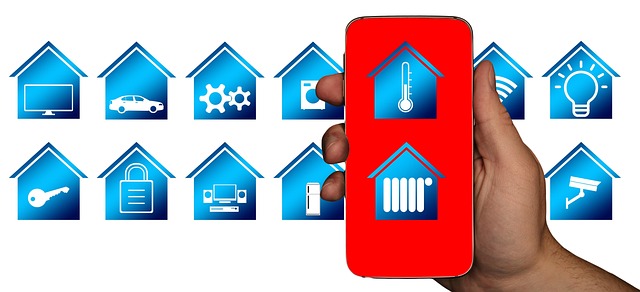
Smart Home Integration: As smart home technology becomes more prevalent, AC systems are likely to become increasingly connected and controllable through centralized apps and voice assistants. This trend will enhance user experience but may also require new skills for technicians who must now manage complex digital systems.
Renewable Energy Sources: The integration of renewable energy sources like solar power into air conditioning systems is gaining traction. These hybrid systems can reduce reliance on traditional power grids and provide long-term cost savings for homeowners.
Predictive Maintenance: Advancements in AI and machine learning will enable more accurate predictive maintenance models, allowing technicians to schedule repairs before failures occur. This proactive approach could revolutionize the industry, reducing unexpected downtime and costs.
The average cost of AC repair in Albany is a multifaceted topic that intersects with climate, technology, economics, and policy. Understanding these factors is crucial for both residents and businesses as they navigate the challenges and opportunities presented by modern air conditioning systems. As the city continues to grow and adapt to changing climatic conditions, the AC repair industry will play a vital role in ensuring comfort and energy efficiency. By embracing technological advancements, implementing strategic policies, and fostering collaboration among stakeholders, Albany can create a sustainable and cost-effective environment for AC repairs, benefiting its residents and businesses alike.
Q: How do I know if my AC needs repair or replacement? A: Regular maintenance checks are essential to determine your system's health. Look for signs like increased energy bills, unusual noises, poor air quality, or a lack of cooling despite higher settings. If these issues persist, it may be time for professional evaluation and potential repair or replacement.
Q: What factors influence the cost of AC repair? A: Several factors contribute to the average cost, including labor rates, part quality, system complexity, and diagnostic fees. Location, climate, and energy efficiency standards also play a role in determining repair expenses.
Q: Are there ways to reduce AC repair costs? A: Yes, proactive measures like regular maintenance, efficient system operation, and timely upgrades can significantly reduce repair needs. Energy-efficient appliances, proper insulation, and smart thermostat usage contribute to lower energy bills and, consequently, fewer repair calls.
Q: How do I choose a reliable AC repair company? A: Research is key. Check online reviews, ask for recommendations from friends or neighbors, and verify the company's licensing and insurance. Look for businesses with experienced technicians who offer transparent pricing and warranties on their work.
Q: Can I perform AC repairs myself? A: While some basic maintenance tasks, like cleaning filters, are within a homeowner's capabilities, complex repairs require specialized knowledge and tools. Attempting DIY repairs without proper training can void warranties and potentially lead to safety hazards or system damage. It's best to leave these tasks to licensed professionals.